
What Does the Bible Say About Working Out? Fitness, Stewardship, and Keeping the Right Priorities
The Bible does not provide a modern workout plan, prescribe a certain physique, or command Christians to join a gym. It does, however, recognize that physical training has value and repeatedly teaches principles that should shape how believers approach their bodies: stewardship, gratitude, self-control, humility, and rightly ordered priorities.
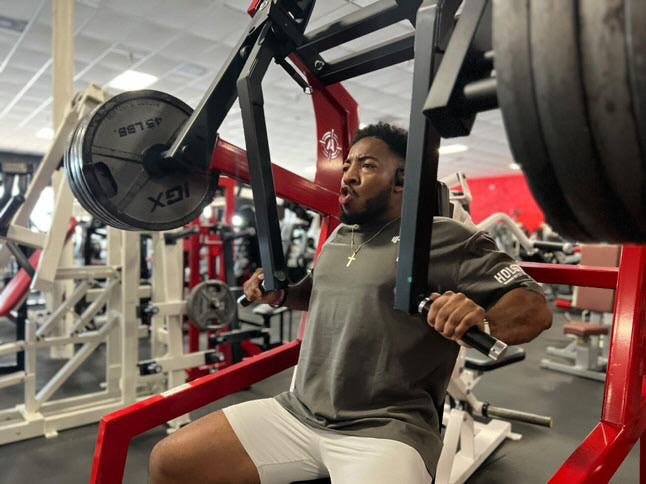
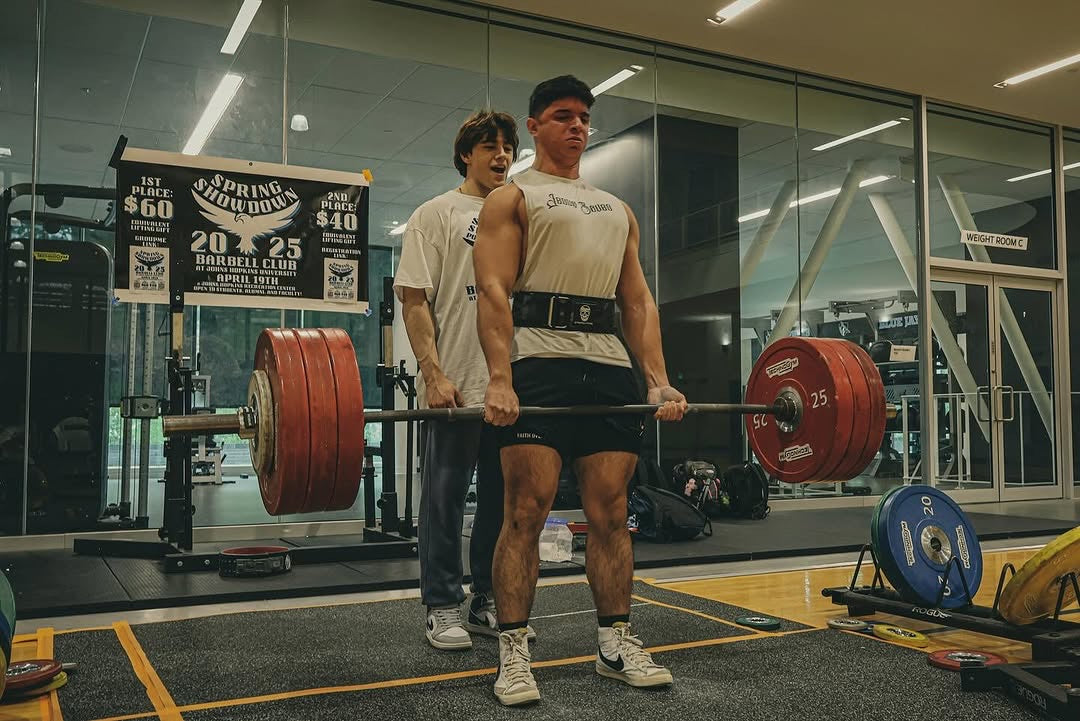
Christians can pursue strength, health, athletic performance, and physical goals. The central question is not simply whether you work out, but why fitness matters to you, what place it occupies in your life, and whether it helps you live faithfully or begins to define your worth.
Physical fitness can be a responsible form of stewardship. It can also become an idol. The difference is found less in the exercise itself and more in the purpose, priorities, and heart behind it.
Does the Bible Say Working Out Is Good?
The clearest biblical statement about physical training comes from Paul’s first letter to Timothy:
“For while bodily training is of some value, godliness is of value in every way, as it holds promise for the present life and also for the life to come.” — 1 Timothy 4:8, ESV
Paul does not dismiss physical training. He says it has value. Exercise can improve strength, endurance, mobility, energy, and health. It can prepare us for demanding responsibilities and help us participate more fully in everyday life.
At the same time, Paul establishes a hierarchy. Physical training has temporary value; godliness has value in every way. A strong body is useful, but it cannot reconcile us to God, establish our identity, or prepare our souls for eternity.
That distinction protects fitness from two extremes. Christians do not need to treat exercise as shallow or spiritually meaningless. We also should not elevate physical development above spiritual maturity.
Is Taking Care of Your Body Biblical Stewardship?
Stewardship means faithfully caring for what God has entrusted to us. Although Scripture does not reduce bodily stewardship to diet and exercise, our physical bodies are part of the lives we have been given.
Taking care of your body can help you serve, work, parent, lead, create, worship, and carry responsibility with greater energy and capacity. Training can therefore be one practical expression of stewardship, alongside sleep, nourishment, medical care, recovery, and avoiding destructive habits.
That does not mean every health outcome is under our control. Illness, injury, disability, genetics, age, work demands, finances, and many other circumstances affect what someone can do. Biblical stewardship is not a guarantee of perfect health, nor is physical limitation evidence of weak faith.
Stewardship asks us to respond faithfully with what we have, not compare our capacity with someone else’s.
Does “Your Body Is a Temple” Mean Christians Must Exercise?
First Corinthians 6:19–20 is frequently quoted in conversations about fitness:
“Or do you not know that your body is a temple of the Holy Spirit within you, whom you have from God? You are not your own, for you were bought with a price. So glorify God in your body.” — 1 Corinthians 6:19–20, ESV
These verses can inform how Christians think about the body, but their immediate context matters. Paul was addressing sexual immorality, not prescribing exercise, nutrition, or a particular body composition.
The passage teaches that the body matters to God and should not be separated from spiritual obedience. It does not teach that being lean, muscular, athletic, or free from illness makes someone more faithful.
We glorify God in our bodies through how we live, not through achieving one culturally preferred appearance. Exercise may support that broader calling, but it is not the complete meaning of the passage.
Is It Wrong for Christians to Want to Build Muscle or Look Better?
Wanting to become stronger, improve athletic performance, or feel more confident in your appearance is not automatically sinful. Physical goals can be enjoyable and motivating. The Bible does not teach that Christians must be indifferent to how they look.
The more revealing questions are:
-
Does appearance determine how valuable you feel?
-
Are you willing to harm your health to reach the goal?
-
Does comparison control your mood or behavior?
-
Do training and nutrition consistently displace relationships, responsibilities, worship, or rest?
-
Are you pursuing progress with gratitude, or living in constant contempt for your body?
The same outward goal can come from very different motives. One person may build muscle as a disciplined pursuit of health and performance. Another may pursue the same physique because admiration has become necessary to feel secure.
Christians do not need to abandon physical ambition. We do need to examine what we are asking that ambition to give us.
We explore this question more deeply in Can Christians Care About Building Muscle and Looking Better?, including healthy confidence, body image, comparison, and appearance-based identity.

When Does Fitness Become an Idol?
An idol is not merely something we enjoy or pursue seriously. It is something that begins taking the place that belongs to God. Fitness may be becoming an idol when it becomes the primary source of identity, control, approval, or meaning.
Possible warning signs include:
-
Your sense of worth rises and falls entirely with your appearance or performance.
-
Missing a workout produces disproportionate guilt, fear, or anger.
-
You regularly neglect people or responsibilities to protect your routine.
-
You view people with different bodies or abilities as less disciplined or valuable.
-
You are never able to receive progress with gratitude because the next goal controls you.
-
You would compromise your health, integrity, or convictions to achieve a result.
Fitness becomes spiritually dangerous when a good pursuit is asked to carry the weight of identity and worship.
The answer is not always to stop training. It may be to restore the proper order: receive fitness as a gift, pursue it with wisdom, and refuse to let it define who you are.
What Biblical Principles Can Guide Your Fitness?
The Bible may not specify sets and repetitions, but it offers principles that can change how you train.
Train with gratitude
Fitness culture often begins with dissatisfaction: what needs to shrink, grow, or change. Goals are not wrong, but gratitude keeps improvement from becoming self-rejection. Recognize movement, strength, recovery, and opportunity as gifts rather than entitlements.
Practice self-control without self-punishment
Self-control helps us follow through on wise decisions. Self-punishment treats suffering as proof that we are worthy. A faithful fitness routine may be demanding, but it should not be driven by hatred for the body you currently have.
Keep your identity rooted in Christ
Your performance will change. There will be personal records, plateaus, injuries, interruptions, aging, and seasons with different priorities. If your identity rests on performance, every setback becomes a threat to who you are. An identity rooted in Christ allows you to pursue progress without being possessed by it.
Respect rest and limitation
Rest is not the enemy of discipline. The body develops through both exertion and recovery. Wisdom sometimes means pushing through ordinary resistance, and sometimes means stopping, healing, sleeping, or asking for help.
Let your character matter more than your image
The way you conduct yourself in the gym matters. Humility, patience, honesty, encouragement, and respect reveal more about the direction of your life than the weight on the bar.
Train for service, not only attention
Strength has greater purpose when it increases your capacity to serve. Fitness can help you remain active with your family, work with energy, endure difficult seasons, help other people, and carry responsibilities well.
Can Exercise Be Part of Your Spiritual Life?
Exercise is not a replacement for prayer, Scripture, worship, Christian community, or service. Completing a workout does not automatically make someone spiritually mature.
Still, physical training can become a setting in which faith is practiced. A run can create room for prayer. A difficult set can remind you to persevere. Progress can produce gratitude. A plateau can expose impatience. Competition can reveal pride. Rest can require humility.
Training often brings our motives and habits to the surface. When approached honestly, it can become one of many places where God forms our character.
This connects with the broader relationship between faith, fitness, and discipline. Fitness gives us repeated opportunities to practice consistency, but faith determines what that discipline is ultimately for.
A Simple Framework for Christian Fitness
Before setting or pursuing a physical goal, ask four questions:
1. What is my goal?
Make it clear and realistic. Strength, health, endurance, mobility, confidence, and athletic development may all be worthwhile goals.
2. Why do I want it?
Your motives may be mixed. Be honest rather than pretending every desire is purely spiritual. Ask whether the goal is being driven by gratitude and responsibility or by comparison, fear, and the need for approval.
3. What will this require?
Consider the time, energy, money, recovery, and attention involved. A goal is not automatically wise simply because it is difficult.
4. What must remain more important?
Name the priorities fitness cannot be allowed to displace: faith, family, integrity, health, work, relationships, or necessary rest. Establishing that order before pressure arrives makes it easier to recognize when training is taking more than it should.
Fitness Has Value, but It Is Not Your Value
The Bible gives Christians room to train hard, develop strength, and enjoy physical progress. It also gives us freedom from making those things ultimate.
Your body deserves responsible care, but it cannot carry the weight of your identity. Your physique may communicate effort, but it cannot measure your faith. Your performance may demonstrate preparation, but it cannot determine your worth.
At HolStrength, we believe fitness can be pursued with purpose when it remains grounded in something greater. Train with gratitude. Develop discipline. Become stronger and more capable. But remember that physical strength is a tool, not a throne.
Fitness has value. Godliness has value in every way. Keep the order clear, and your training can become one meaningful part of a faithful life.
Frequently Asked Questions
Does the Bible say Christians should work out?
The Bible does not command Christians to follow a workout routine, but it recognizes that bodily training has value in 1 Timothy 4:8. Exercise can be a wise form of stewardship when it supports health, responsibility, and service without becoming a person’s identity or highest priority.
What does 1 Timothy 4:8 mean for fitness?
First Timothy 4:8 teaches that physical training is valuable but limited, while godliness has value for both the present life and the life to come. Christians can take fitness seriously while remembering that spiritual formation matters more.
Is going to the gym a form of worship?
Going to the gym is not automatically worship. Exercise can be done with gratitude and for a God-honoring purpose, but it does not replace prayer, Scripture, gathered worship, or obedience. The heart and purpose behind the activity matter.
Is bodybuilding a sin?
Building muscle is not inherently sinful. It becomes spiritually unhealthy when appearance, performance, attention, or control becomes an idol, or when pursuing a physique causes someone to compromise health, relationships, responsibilities, or convictions.
Does “your body is a temple” refer to working out?
First Corinthians 6:19–20 primarily addresses sexual immorality and belonging to God, not exercise. The passage supports the broader truth that our bodies matter to God, but it should not be used to claim that Christians are commanded to achieve a particular level of fitness.
How can Christians keep fitness from becoming an idol?
Christians can examine their motives, keep spiritual and relational priorities clear, practice gratitude, accept rest and limitations, and remember that identity and worth do not come from appearance or performance.

1 comment
Great article on fitness and faith .. Thank you very much 🙏🏽💪🏽
Al Murray
Leave a comment
This site is protected by hCaptcha and the hCaptcha Privacy Policy and Terms of Service apply.